Entry · Ref NZDKQJL6
Emergency Dentist Ventura for Urgent Care Without the Long Wait
- Posted
- 2026-11-27
- Last amended
- 2026-11-27
- Account
- @damienrjnr465
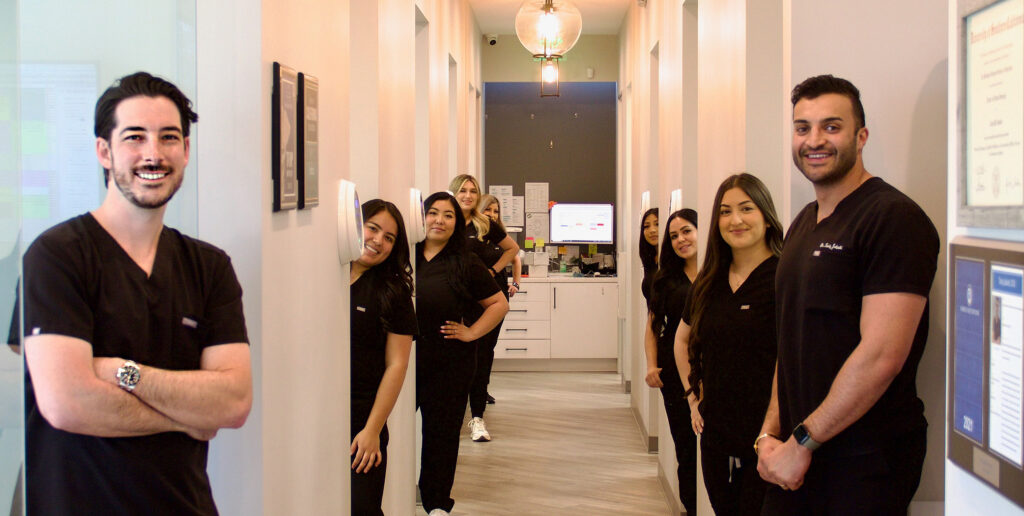

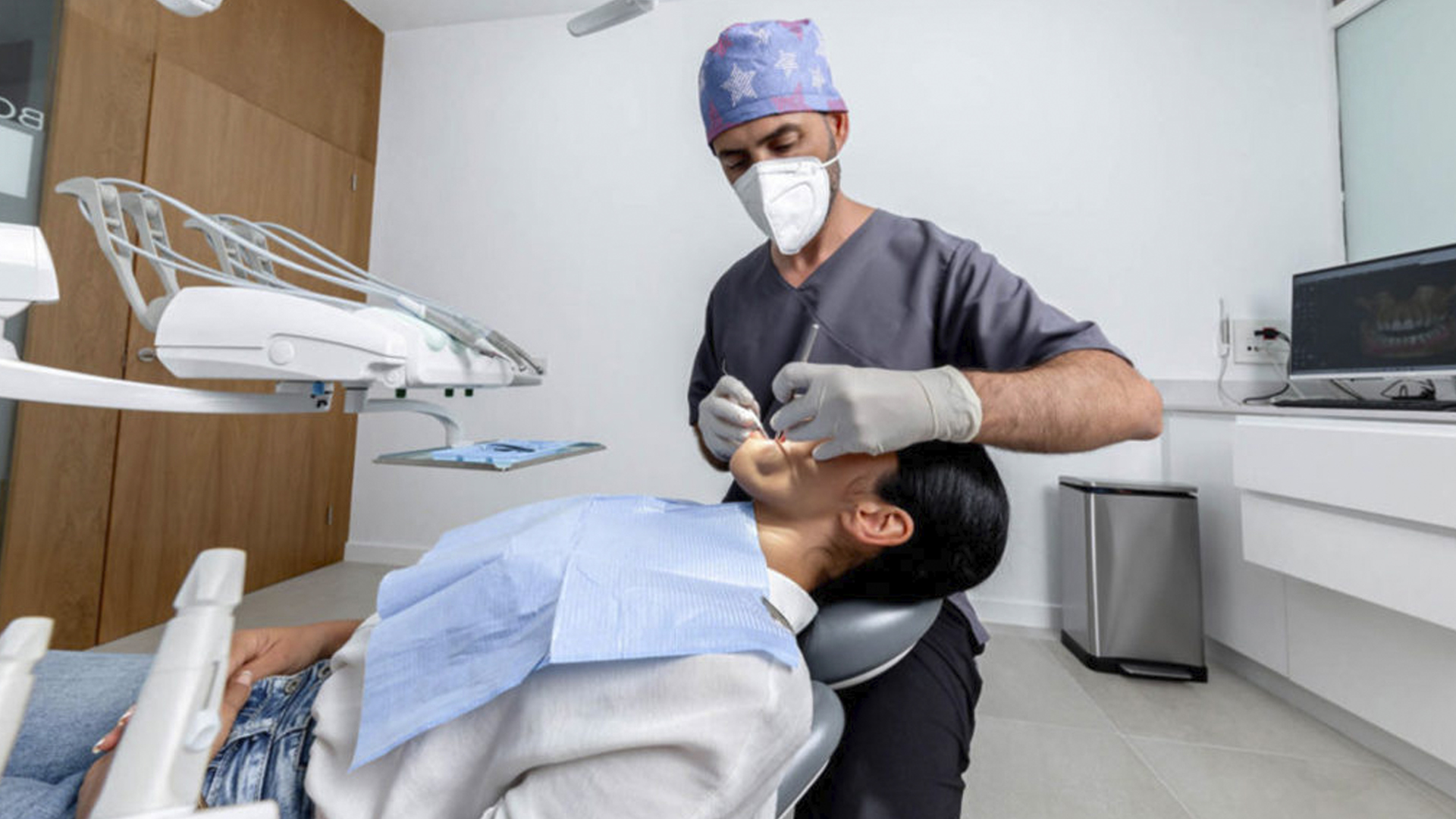
A dental emergency rarely arrives at a convenient hour. It starts with a cracked molar at dinner, a child who wakes up crying with a swollen cheek, or a crown that slips off the day before an important meeting. The pain is immediate, but the frustration usually comes next. Many people in Ventura call two or three offices before finding someone who can see them the same day. Others head to an emergency room, wait for hours, and leave with pain medication but no real dental treatment.
That gap between urgent need and actual care is where an emergency dental office matters most. When patients search for an Emergency Dentist Ventura, they are usually not looking for a routine cleaning squeezed into the schedule. They need a practice that understands how fast dental problems can escalate, how to triage pain properly, and how to treat the source instead of simply quieting symptoms for a few hours.
Urgent dental care is not just about speed. It is about judgment. A minor chip may be able to wait a day or two. A spreading infection, a knocked-out tooth, or uncontrolled bleeding should not. The best emergency dental visits feel calm, efficient, and focused. You are seen quickly, examined thoroughly, given clear options, and treated based on what will protect your health, relieve pain, and preserve the tooth whenever possible.
What counts as a true dental emergency
People often second-guess themselves when dental pain starts. They worry about overreacting, especially if the problem flares up after hours or on a weekend. In practice, some symptoms signal urgency more clearly than others.
The most obvious emergencies include severe toothache that does not let up, facial swelling, dental trauma, bleeding that continues after pressure is applied, and a tooth that has been knocked loose or fully out. A cracked tooth can range from uncomfortable to serious, depending on whether the crack extends into the pulp or root. A lost filling or crown may sound minor, but if the exposed tooth is painful or sharp enough to injure the tongue or cheek, it becomes more urgent.
One of the biggest mistakes patients make is waiting too long on infections. Dental infections do not always start with dramatic pain. Sometimes the first sign is pressure, gum tenderness, a bad taste in the mouth, or slight swelling near one tooth. Once the cheek begins to swell or swallowing becomes difficult, the situation is no longer a routine dental problem. It needs prompt attention.
Here are five situations that usually justify calling an emergency dental office right away:
- Severe, persistent tooth pain that disrupts eating, sleeping, or speaking
- Swelling in the gums, jaw, or face, especially if it is spreading
- A broken, fractured, or knocked-out tooth after an accident
- Bleeding in the mouth that does not stop after gentle pressure
- Signs of infection such as pus, fever, foul taste, or increasing pressure
Not every urgent problem looks dramatic from the outside. I have seen patients walk in with what they described as a “small ache,” only for the x-ray to show a deep abscess under an old filling. I have also seen the reverse, a patient convinced they needed an extraction when the issue was a dislodged temporary crown and exposed dentin. That is why a same-day exam matters. Pain intensity does not always match the seriousness of the condition.
Why long waits make dental emergencies worse
A delayed appointment is not just inconvenient. It can change the treatment options entirely.
Take a cracked tooth as an example. If a patient is seen quickly, the dentist may be able to stabilize the tooth with a crown, protect the nerve, and avoid more invasive treatment. Wait several days while chewing on it, and that crack can deepen. What might have been a straightforward restoration can turn into a root canal or extraction.
Infections follow the same pattern. A localized gum abscess is often manageable when caught early. The dentist can drain the area if needed, clean the source, prescribe medication when appropriate, and create a plan for lasting treatment. If the patient waits because no office has same-day availability, the swelling may spread into surrounding tissue. At that point, the pain is worse, the risk is higher, and the path back to comfort is longer.
There is also a quality-of-life factor that does not get enough attention. Dental pain is exhausting. People do not sleep normally. They stop chewing on one side. They cancel plans, miss work, and become irritable because their nervous system is in constant overdrive. Fast access to an emergency dentist in Ventura is not merely a convenience service. It can prevent a small problem from turning into a medical one and spare patients several miserable days.
What a good emergency dental visit should feel like
The first thing most patients want is relief, but the office should be doing more than chasing pain. A strong urgent care process usually begins with a focused phone screening. Staff should ask when the problem started, whether there is swelling, trauma, bleeding, fever, or difficulty swallowing, and whether the tooth is broken, loose, or fully avulsed. Those details help determine how quickly you need to be seen.
Once you arrive, the dentist should not jump straight into treatment without diagnosis. A proper emergency exam often includes a clinical inspection, percussion testing, temperature sensitivity when relevant, periodontal assessment, and one or more x-rays. That sounds technical, but the point is simple: emergency care should identify the source of the problem, not just the loudest symptom.
After diagnosis, patients deserve plain language. If the tooth is saveable, say so. If there are two possible paths, for example root canal versus extraction, explain the trade-offs honestly. One of the most appreciated parts of any emergency visit is clarity. When people are in pain, uncertainty makes everything harder.
A good office also recognizes that emergency treatment may happen in stages. Immediate care might involve draining an abscess, placing a sedative filling, re-cementing a crown, smoothing a broken edge, prescribing medication, or beginning root canal therapy. Definitive treatment may come that day or at a follow-up visit, depending on time, swelling, and the condition of the tooth.
Ventura patients often need more than pain management
There is a common misunderstanding that emergency dentistry is mostly about handing out antibiotics or pain pills. That is not real treatment, and experienced dentists know it.
Antibiotics can help when there is clear evidence of infection with swelling or systemic involvement, but they do not fix decay, repair fractures, or remove infected nerve tissue inside a tooth. Pain medication can make a bad night more tolerable, but it will not reseal a tooth or reposition one that has been displaced. If you leave an office without understanding the cause of the emergency and the next step to address it, the problem is still in motion.
This is why patients searching for an Emergency Dentist Ventura should look for a practice equipped to do more than triage. Digital imaging, same-day exams, restorative capability, and experience with extractions, root canals, and trauma care all matter. The office does not need to do everything under one roof in every case, but it should be able to stabilize the issue properly and direct the next step without delay.
A practical example helps here. Imagine a patient who chips a front tooth on a surfboard and assumes it is cosmetic. If the fracture is shallow, bonding may restore the tooth beautifully in one visit. If the impact also injured the nerve or root, cosmetic repair alone would miss the bigger issue. This is where experience shows. Trauma can look simple and still require careful follow-up.
The difference between urgent care and the emergency room
When dental pain spikes at night, many people head to the hospital because it feels like the safest option. That makes sense in some cases, especially when swelling affects breathing, there is major trauma, or a patient has fever and signs of a spreading infection. But for most tooth-related emergencies, the emergency room is not set up to provide definitive dental treatment.
Hospitals can rule out life-threatening complications, manage severe pain, and treat broader medical concerns. What they usually cannot do is perform a root canal, place a crown, adjust a bite, or treat the exact source of a cracked or infected tooth. Patients often leave with temporary relief and instructions to see a dentist as soon as possible.
The better route, when medically appropriate, is direct access to a dental office that reserves time for same-day emergencies. That shortens the cycle and gets the patient to definitive care faster. In https://damiencpng794.currentvale.com/posts/how-an-emergency-dentist-ventura-responds-to-severe-tooth-nerve-pain practical terms, it can mean the difference between preserving a tooth and losing it.
What to do before you get to the office
The time between the first phone call and the appointment matters. A few simple steps can reduce pain and improve the odds of successful treatment.
- Rinse gently with warm salt water if the area is irritated or swollen
- Use a cold compress on the outside of the face for swelling or trauma
- Save any broken tooth pieces or a knocked-out tooth, ideally in milk or saliva
- Avoid chewing on the affected side and skip very hot, cold, or sugary foods
- Take over-the-counter pain relief only as directed, unless your physician has told you otherwise
There are also a few things not to do. Do not place aspirin directly on the gum. It can burn tissue and create a second problem. Do not ignore a loose adult tooth after an accident just because it is still in place. And do not assume swelling will “drain on its own.” Oral infections can behave unpredictably.
If a permanent tooth has been knocked out, time matters a great deal. The tooth should be handled by the crown, not the root. If it is dirty, rinse it briefly with clean water without scrubbing. In some situations, replantation is possible if treatment is immediate. Even then, outcome depends on factors such as the length of time outside the mouth and the condition of the supporting tissue. This is one reason urgent access can make such a meaningful difference.
The cases that can usually wait, and the ones that should not
One challenge in emergency dentistry is separating urgent discomfort from genuine danger. A small chip without pain may wait for a scheduled repair, though sharp edges should still be addressed soon. Mild sensitivity after a recent filling often settles on its own, especially if the bite simply needs a slight adjustment. Food caught between teeth can mimic dental pain but usually improves once the area is cleaned.
On the other hand, throbbing pain that wakes you up, swelling under the jaw, a bad taste with pressure near one tooth, or pain after trauma all deserve faster attention. So does a lost crown on a tooth that recently had root canal treatment, because the remaining tooth structure may be weak and vulnerable to fracture.
A useful rule of thumb is this: if the problem is getting worse by the hour, affecting your ability to eat or sleep, or changing the shape of your face because of swelling, treat it as urgent.
What same-day treatment may include
Patients are often surprised by how much can be done in an emergency visit. It depends on the diagnosis, but same-day treatment commonly includes re-cementing crowns or bridges, placing temporary or permanent restorations, smoothing or bonding fractured teeth, draining localized abscesses, extracting unsalvageable teeth, and starting root canal therapy when indicated.
That said, there are times when the most responsible emergency treatment is stabilization rather than completion. A patient with significant swelling may need pressure relieved and the tooth opened to drain, then return once tissues are calmer for full treatment. A child with dental trauma may need imaging and protective care first, with follow-up to monitor the tooth over time. Speed is important, but so is sequencing.
Experienced dentists know that urgency can cloud decision-making. Someone in severe pain may want the fastest possible answer, often assuming extraction is the simplest route. Sometimes it is. Sometimes saving the tooth is realistic and worth it. The right decision depends on the amount of remaining tooth structure, periodontal support, root condition, long-term restorability, cost, and the patient’s own goals. Good emergency care makes room for that discussion without forcing a rushed choice.
Children, seniors, and patients with special considerations
Emergency care is not one-size-fits-all. Children often present differently than adults. They may struggle to explain whether the pain is temperature sensitivity, pressure, or trauma. A child with facial swelling can deteriorate faster than an adult, which is one reason parents should take oral swelling seriously. Primary teeth are temporary, but infections around them are not harmless.
Older adults bring a different set of variables. Root fractures under old crowns, dry mouth from medications, worn restorations, and gum recession can complicate emergencies. A loose tooth in a senior patient may point to advanced periodontal disease rather than isolated trauma. Medical history also matters more. Blood thinners, osteoporosis medications, diabetes, and heart conditions may all influence treatment choices.
Patients with dental anxiety need thoughtful handling during emergencies because pain amplifies fear. The best urgent care teams explain what they are doing step by step, numb thoroughly, and avoid making the visit feel rushed even when the schedule is tight. Efficiency and reassurance can coexist, and they should.
How to choose an emergency dentist in Ventura before you need one
Most people start looking for urgent dental care after the pain begins. That is understandable, but it is not ideal. The best time to identify an office for emergencies is when nothing hurts.
Look for signs of real emergency readiness rather than general marketing language. Does the office mention same-day appointments for urgent issues? Can it handle diagnostic imaging on site? Is there evidence of experience with extractions, restorative work, and endodontic treatment? Are the phone lines answered by staff who can triage symptoms intelligently instead of simply offering the next routine slot?
It is also worth paying attention to how the office communicates fees and next steps. In emergencies, patients are vulnerable. They need transparency about what the exam covers, whether additional treatment may be required that day, and what financing or payment options exist if the problem turns out to be more extensive than expected.
Local familiarity matters too. Ventura patients often value practical logistics, parking, proximity to work or school, and the ability to get in and out quickly when life is already disrupted. An excellent emergency dental experience does not just solve the tooth problem. It respects the reality that the patient may have come in during a lunch break, between school pickups, or while traveling through town.
Why prompt treatment often saves money
People understandably worry about the cost of an emergency visit. Ironically, waiting is often the more expensive choice.
A cavity that reaches the nerve may require root canal treatment and a crown instead of a filling. A neglected crack can become a split tooth that must be removed. A lost filling left open to the mouth can invite rapid decay or fracture in a tooth that was otherwise maintainable. From a financial standpoint, same-day care often preserves simpler treatment options.
There is another cost that patients rarely calculate in advance: lost productivity. A person who cannot sleep because of tooth pain is not functioning well at work the next day. Parents may miss hours or days managing a child’s dental crisis. Quick treatment reduces those hidden costs, along with the stress that comes with uncertainty.
The value of being seen without the long wait
When a dental emergency hits, minutes feel longer than they are. Every sip stings. Every bite is a negotiation. Every hour spent waiting for a call back adds stress to an already painful day. That is why access matters so much.
A reliable Emergency Dentist Ventura offers something more important than convenience. It offers timely diagnosis, practical pain relief, and a path toward definitive treatment before the problem has a chance to grow. In the best-case scenario, a same-day visit preserves the tooth, controls infection early, and gets you back to normal life with less disruption. Even in more complex cases, being seen quickly helps protect both health and options.
Dental emergencies are never pleasant, but they are far easier to manage when care is prompt, skilled, and organized. If you live in Ventura, it is worth knowing where to turn before the next cracked tooth, swelling episode, or sudden night of tooth pain forces the question. When treatment happens without the long wait, the outcome is often better for the tooth, the budget, and your peace of mind.
Avra Dental
1708 S Victoria Ave B, Ventura, CA 93003, United States
Phone: +1 805-765-3206
FAQ About Emergency Dentist Ventura
Can the ER do anything for tooth pain?
An emergency department can assess serious symptoms and provide temporary relief, but definitive dental treatment usually requires a dentist. Trouble breathing or swallowing, uncontrolled bleeding, or swelling spreading into the neck requires emergency medical care.
What do I do if I have a dental emergency and no dentist?
Contact a local emergency dental practice promptly, explain your symptoms, and ask about the earliest available assessment. Avra Dental provides emergency dentistry in Ventura; call to confirm availability. If you have life-threatening symptoms or a serious facial injury, go to an emergency department or call 911.
What do I do if tooth pain is unbearable?
Seek urgent dental assessment rather than waiting for the pain to pass. While arranging care, gently rinse with warm water and avoid placing aspirin directly on the tooth or gums. Severe pain with trouble breathing or swallowing, rapidly spreading swelling, or uncontrolled bleeding needs immediate emergency medical care.